


Why Modular Accommodation Is Perfect for Remote Projects
Modular accommodation provides flexible, cost-effective housing solutions that can be quickly deployed in remote areas, making it ideal for projects where traditional construction is impractical due to logistics, timelines, or environmental challenges. By choosing modular options, project managers can ensure reliable worker housing that adapts to harsh conditions while minimizing downtime and costs.
Understanding Modular Accommodation
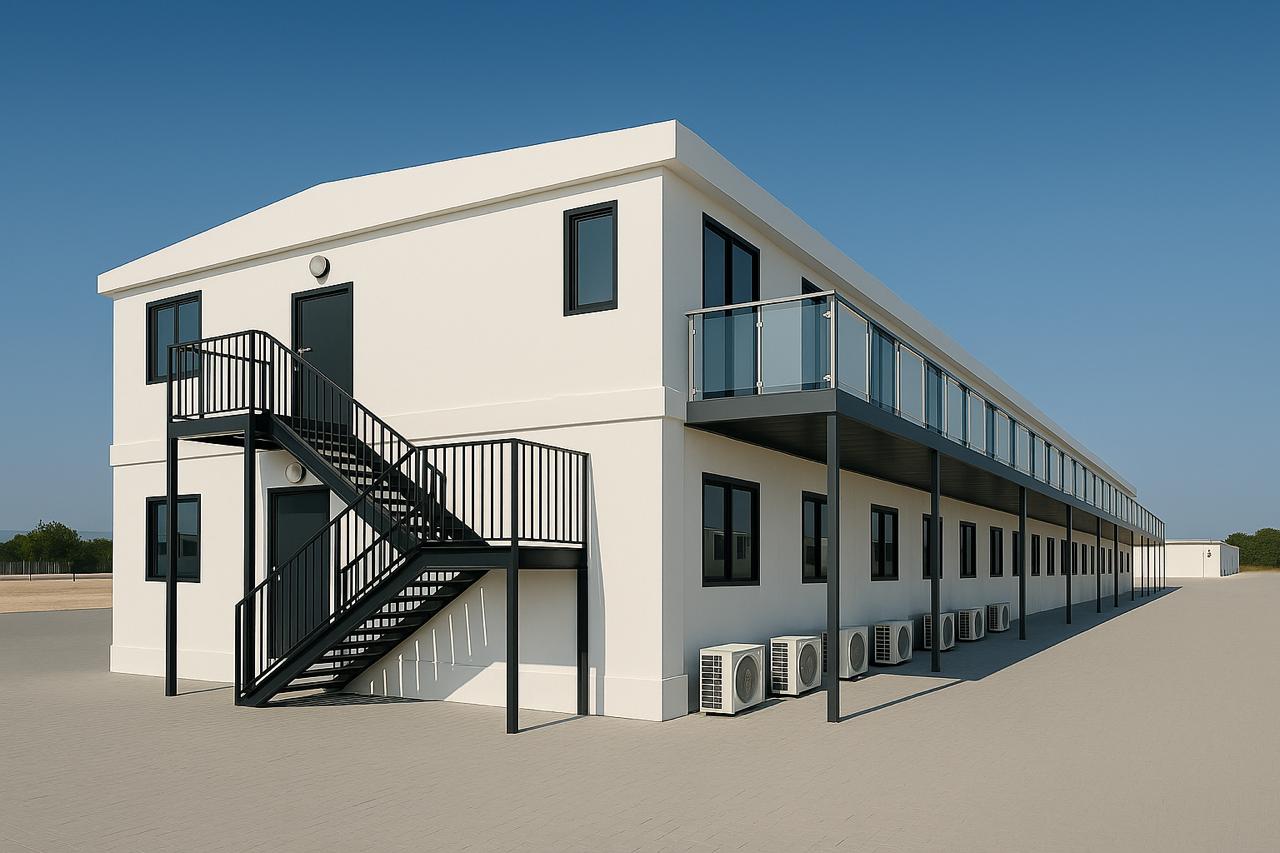
Modular accommodation refers to prefabricated building units constructed off-site in a controlled factory environment and then assembled on location. These structures are designed for versatility, durability, and rapid installation, which makes them particularly suited for remote projects such as mining operations, oil and gas exploration, construction sites in isolated regions, or disaster relief efforts. Unlike traditional building methods that require extensive on-site labor and materials, modular units arrive ready to use, often with built-in utilities like plumbing, electricity, and HVAC systems.
The core appeal lies in their modularity—individual units can be stacked, expanded, or reconfigured as needs evolve. For instance, a remote mining project might start with basic sleeping quarters and later add communal kitchens or offices without disrupting ongoing work. This adaptability ensures that your project stays on track, even in unpredictable environments like the deserts of the UAE or rugged terrains in the Middle East.
Benefits for Remote Project Efficiency
One of the primary advantages of modular accommodation is its ability to enhance overall project efficiency. Remote locations often face logistical hurdles, including difficult access roads, extreme weather, and limited local resources. Modular units address these by being transportable via trucks, ships, or even helicopters, allowing deployment in areas where conventional construction would be impossible.
Consider the time savings: Traditional builds can take months, but modular accommodation can be operational within weeks. This rapid setup reduces project delays, which directly translates to cost savings—fewer idle workers and less equipment downtime. Additionally, these structures are built to withstand harsh conditions, with features like reinforced insulation for temperature extremes and robust materials that resist dust, wind, and corrosion common in remote UAE sites.
From a sustainability perspective, modular accommodation minimizes environmental impact. Factory construction generates less waste than on-site building, and many units incorporate eco-friendly materials, solar panels, or energy-efficient designs. If your remote project involves sensitive ecosystems, this approach helps you meet regulatory requirements while demonstrating corporate responsibility.
Cost-Effectiveness in Challenging Environments
Budget constraints are a constant in remote projects, where unexpected expenses can derail timelines. Modular accommodation shines here by offering predictable pricing without the hidden costs of traditional methods. Since units are prefabricated, you avoid fluctuations in material costs or labor shortages that plague on-site construction.
For example, in a remote oil field project, opting for modular dormitories could cut housing expenses by up to 30% compared to building from scratch. The savings come from bulk manufacturing, reduced transportation of raw materials, and the elimination of weather-related delays. Moreover, these units are relocatable—once a project ends, you can disassemble and reuse them elsewhere, turning a one-time expense into a long-term asset.
This cost model builds confidence in project planning. You can scale accommodations based on workforce size, starting small and expanding as needed, without overcommitting funds upfront. Many providers, including those in the UAE like Line Prefab, offer turnkey solutions that include design, delivery, and installation, streamlining the process and reducing your administrative burden.
Customization for Specific Project Needs
No two remote projects are identical, and modular accommodation excels in customization. Whether you need worker barracks, administrative offices, medical facilities, or recreational areas, these units can be tailored to your exact specifications. Features like modular kitchens, bathrooms, and even high-tech integrations such as Wi-Fi hubs or security systems can be pre-installed.
Imagine outfitting a construction site in a remote UAE desert with air-conditioned sleeping pods, communal dining halls, and on-site gyms—all assembled in days. This level of personalization not only boosts worker morale and productivity but also ensures compliance with safety standards. For industries like mining or infrastructure development, where worker well-being directly impacts output, such accommodations can reduce turnover and health-related absences.
The process starts with assessing your site’s unique challenges—terrain, climate, and duration—and selecting modules that fit. Providers often use 3D modeling to visualize setups, giving you a clear picture before commitment. This hands-on approach empowers you to make informed decisions, reinforcing the belief that effective housing solutions are within reach, even in the most isolated locations.
Durability and Safety in Remote Settings
Safety is non-negotiable in remote projects, where medical help might be hours away. Modular accommodation is engineered for resilience, using high-grade steel frames, fire-resistant materials, and seismic reinforcements to handle earthquakes, high winds, or floods. In the UAE’s variable climate, units can include sand-resistant seals and UV-protected exteriors to maintain integrity over time.
These structures often exceed local building codes, incorporating features like emergency exits, smoke detectors, and reinforced doors. For remote workforce housing, this means peace of mind—workers rest easier knowing their accommodations are secure, which in turn minimizes accidents and improves focus on the job.
Durability also extends to maintenance; modular units require less upkeep than traditional buildings, with modular components that can be easily replaced if damaged. This reliability allows project managers to focus on core objectives rather than constant repairs, building a foundation of trust in the solution’s long-term viability.
Streamlining Logistics and Installation
Logistics can make or break a remote project, and modular accommodation simplifies this aspect dramatically. Units are designed for easy transport—flat-pack options, for instance, compress into compact loads that fit standard shipping containers, reducing freight costs and carbon footprints.
Installation is straightforward: A small team can assemble a full camp in days, using cranes or basic tools, without needing extensive groundwork. This is a game-changer for projects in areas like the UAE’s offshore islands or mountainous regions, where heavy machinery access is limited.
By integrating logistics planning early, you avoid common pitfalls like permit delays or supply chain issues. Many suppliers provide end-to-end services, from site surveys to final handover, ensuring a seamless transition. This efficiency not only saves time but also instills confidence that your project can proceed without housing-related roadblocks.
Real-World Applications in the UAE
In the UAE, modular accommodation has proven invaluable for various remote initiatives. For oil and gas ventures in Abu Dhabi’s deserts, companies have deployed modular camps that house hundreds of workers comfortably, complete with recreational facilities to combat isolation. Similarly, construction projects in Ras Al Khaimah’s rugged terrains benefit from quick-setup offices and living quarters that adapt to elevation changes.
Take the example of infrastructure developments in Umm Al Quwain—prefab units from local providers have enabled rapid workforce mobilization, cutting project timelines by months. These case studies demonstrate how modular solutions turn challenging environments into manageable ones, offering tangible proof that you can achieve similar results for your own projects.
Overcoming Common Challenges
While modular accommodation offers numerous benefits, it’s important to address potential hurdles to ensure success. One common concern is initial setup costs, but these are offset by long-term savings and reusability. Another is customization limits, yet advances in design allow for highly personalized configurations.
To overcome these, start with a thorough needs assessment: Evaluate your project’s scale, duration, and workforce requirements. Partnering with experienced providers ensures that solutions are tailored without unnecessary extras. By anticipating challenges like regulatory approvals or site preparation, you position yourself for a smooth implementation, reinforcing the achievability of optimal remote housing.
Why Choose Expert Assistance
Implementing modular accommodation effectively requires expertise in design, logistics, and compliance—areas where professional guidance can make all the difference. Companies specializing in prefab solutions bring years of experience, ensuring your setup meets industry standards and maximizes efficiency.
At Line Prefab, we specialize in delivering high-quality modular accommodation tailored for remote projects across the UAE. Our team handles everything from initial consultation to on-site assembly, using state-of-the-art designs that prioritize practicality and aesthetics. With a track record of serving clients in diverse industries, we provide turnkey solutions that minimize handover times and uphold integrity in every project.
By partnering with us, you gain access to trusted key account managers who oversee every detail, allowing you to focus on your core operations. Whether you’re managing a mining expedition or a construction endeavor, our modular units offer the reliability and flexibility you need to succeed.
Taking the Next Step
You’ve seen how modular accommodation can transform remote projects—offering efficiency, cost savings, customization, and safety that traditional methods can’t match. The key is recognizing that this solution is not just viable but achievable for your specific needs. With the right planning and support, you can deploy housing that keeps your team productive and your project on budget.
If you’re ready to explore how modular accommodation can benefit your remote venture, consider reaching out to specialists who understand the UAE’s unique challenges. It’s a step toward not only meeting your goals but exceeding them, with accommodations that adapt as your project evolves.
 English
  Arabic